
Understanding the Role of an OFAC Defense Attorney 1269322160

In today’s increasingly globalized world, understanding the complexities of sanctions and compliance issues has never been more crucial. Individuals and businesses often find themselves entangled in regulations imposed by the Office of Foreign Assets Control (OFAC). An Ofac Defense Attorney OFAC legal defense attorney specializes in helping clients navigate these regulations, providing essential legal counsel and representation when facing potential violations.
What is OFAC and Why It Matters
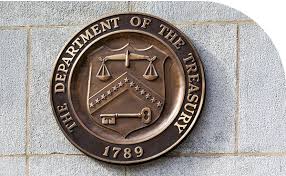
The Office of Foreign Assets Control (OFAC) is an agency of the U.S. Department of the Treasury that administers and enforces economic and trade sanctions against targeted foreign countries and regimes, terrorists, international narcotics traffickers, and those involved in activities related to the proliferation of weapons of mass destruction. Essentially, OFAC is responsible for ensuring that U.S. foreign policy and national security interests are protected.
Sanctions can take various forms, including asset freezes, trade restrictions, and limitations on financial transactions. Compliance with OFAC regulations is mandatory, and violations can result in severe penalties, including substantial fines and criminal charges. Given the complexity of these laws, the role of an OFAC defense attorney becomes critical when individuals or organizations face allegations of non-compliance.
Why Hire an OFAC Defense Attorney?
Engaging an OFAC defense attorney is vital for several reasons:
- Expertise in Sanctions Law: OFAC regulations are intricate and often change. A qualified defense attorney keeps abreast of the latest developments and understands how they apply to different circumstances.
- Risk Assessment: An attorney can evaluate the specifics of a case, determining the risk of non-compliance and advising clients on best practices to mitigate these risks.
- Legal Representation: If a client faces enforcement actions by OFAC, a defense attorney can represent them in negotiations or hearings, ensuring their rights are protected and that they receive fair treatment under the law.
- Compliance Assistance: A defense attorney can also assist in developing compliance programs to help individuals and businesses adhere to OFAC regulations proactively.

How an OFAC Defense Attorney Works
The process typically begins with a consultation where the attorney will assess the client’s situation. This initial assessment is crucial for understanding the background of the case, the client’s actions, and any potential issues related to OFAC regulations.
After the consultation, the attorney will outline a strategy, which may involve:
- Investigating Allegations: Conducting thorough investigations into the claims against the client to build a strong defense.
- Negotiating Settlements: Engaging in discussions with OFAC to negotiate a settlement, which may involve reduced penalties or other favorable terms.
- Preparing for Hearings: If necessary, preparing the client for administrative hearings or legal proceedings, including gathering evidence and preparing witnesses.
- Ensuring Compliance: Advising on measures to comply with OFAC regulations moving forward to prevent further issues.
Common OFAC Violations
Understanding common violations can also aid individuals and businesses in avoiding potential pitfalls. Here are a few common issues that may arise:
- Transactions with Sanctioned Entities: Engaging in business transactions with individuals or organizations listed on OFAC’s Specially Designated Nationals and Blocked Persons List (SDN List).
- Failure to Report: Not reporting transactions that may require disclosure to OFAC can lead to significant penalties.
- Ignorance of Sanctions: Conducting activities without knowledge of existing sanctions is not a valid defense; companies are expected to conduct due diligence.
- Facilitating Transactions: Assisting or facilitating actions that violate sanctions can also result in severe consequences.
The Importance of Due Diligence
One of the key components of compliance under OFAC regulations is due diligence. Businesses must conduct thorough checks to ensure that they are not engaging with sanctioned entities. This includes:
- Running compliance programs that include checking the SDN List.
- Training employees to recognize potential red flags.
- Documenting all transactions and communications related to compliance.
Employing an OFAC defense attorney can greatly assist businesses in establishing and maintaining due diligence practices that not only protect them from legal repercussions but also promote ethical business practices.
Conclusion
Navigating the complexities of OFAC regulations is vital for individuals and businesses engaged in international trade, finance, or other activities affected by U.S. sanctions. The impact of non-compliance can be severe, making the role of an OFAC defense attorney indispensable. By securing the services of a qualified attorney, clients can ensure they have the expertise and representation needed to understand their obligations under the law, mitigate risks, and respond effectively to any allegations of wrongdoing.
Whether you are facing an investigation or simply want to ensure compliance, consulting with an OFAC defense attorney can provide peace of mind and legal protection in an increasingly regulated environment.
Understanding the Role of a Sanctions Defense Attorney 1268046816

Sanctions Defense Attorney: Protecting Your Rights Against Financial Penalties
The role of a Sanctions Defense Attorney financial sanctions defense lawyer has become increasingly crucial in today’s global financial landscape. As businesses and individuals navigate a complex world of regulations, there is a heightened need for legal expertise to defend against the imposition of sanctions. This article delves into the significance of sanctions defense attorneys, the nature of financial sanctions, and how these legal professionals can effectively advocate for their clients.
What Are Financial Sanctions?
Financial sanctions are restrictions imposed by governments or international bodies aimed at causing economic harm to a specific nation, group, or individual. These measures can include asset freezes, trade barriers, or prohibitions on financial transactions. Such sanctions are typically used as tools for foreign policy and can be enacted for various reasons including human rights violations, terrorism, or nuclear proliferation.
The Necessity of Sanctions Defense Attorneys
Given the serious implications that financial sanctions can have on individuals and organizations, it is critical to have a sanctions defense attorney who understands the intricacies of both national and international law. These attorneys specialize in representing clients who are accused of violating sanctions or are affected by them. Their expertise is essential in ensuring compliance with regulations and defending against potential charges.
Understanding the Legal Framework
The legal framework surrounding financial sanctions can be complex, involving multiple jurisdictions and regulations. It is essential for sanctions defense attorneys to have a strong grasp of the law, including relevant executive orders, statutory provisions, and administrative rules issued by agencies such as the U.S. Treasury Department’s Office of Foreign Assets Control (OFAC).

Role of the Sanctions Defense Attorney
Sanctions defense attorneys provide a variety of services to their clients, including:
- Legal Consultation: They offer advice on compliance with existing sanctions regimes and develop strategies to avoid inadvertent violations.
- Representation: Should a client come under scrutiny or face enforcement actions, these attorneys represent them in negotiations or court proceedings.
- Advocacy: They advocate for fair treatment of clients during investigations and challenge improperly imposed sanctions.
- Risk Assessment: Attorneys assess potential risks associated with international business dealings, helping clients make informed decisions.
Types of Sanctions
Sanctions can vary widely in terms of scope and application. Understanding the types of sanctions that may be imposed is crucial for any individual or organization operating on a global scale. The main categories of sanctions include:
- Comprehensive Sanctions: These are wide-ranging restrictions that prohibit all transactions with a country or regime.
- Sectoral Sanctions: Target specific sectors of a country’s economy, such as finance, energy, or defense.
- Targeted Sanctions: Aim at specific individuals or entities, such as government officials or companies implicated in illicit activities.
- Secondary Sanctions: These threaten to impose sanctions on third-party countries or entities that do business with the sanctioned party, encouraging them to cease relationships.
The Process of Navigating Sanctions
Navigating sanctions can be incredibly challenging, particularly when new measures are enacted or existing ones are expanded. This is where a sanctions defense attorney is invaluable. They assist clients in understanding the nuances between different types of sanctions and help them implement compliance programs.
Compliance and Avoiding Violations

Compliance with financial sanctions is not just a legal obligation but also a critical aspect of maintaining a reputable business. Sanctions defense attorneys work closely with organizations to establish robust compliance frameworks that include regular audits, training for staff, and diligent monitoring of customer relationships.
Defending Against Allegations
If a client is accused of violating sanctions, the defense attorney’s role becomes even more pivotal. They investigate the allegations, gather evidence, and develop a legal strategy aimed at minimizing repercussions. This may involve negotiating with regulatory agencies or representing clients in administrative hearings.
Case Studies: Successful Defenses
Several high-profile cases highlight the impact of sanctions defense attorneys. One notable example involved a multinational corporation facing allegations of breaching sectoral sanctions due to its dealings with a sanctioned entity. The defense attorney demonstrated that the company had employed reasonable compliance measures and sufficiently cooperated with regulators, thereby reducing potential penalties significantly.
The Future of Sanctions and the Role of Legal Counsel
As the global landscape continues to evolve, sanctions are likely to become more common and complex. This will necessitate a greater emphasis on legal counsel specializing in sanctions defense. As political landscapes shift and new threats emerge, the ability of businesses to effectively navigate financial sanctions will require expert legal guidance.
Conclusion
In conclusion, sanctions defense attorneys play a critical role in protecting the interests of those potentially affected by financial sanctions. Their expertise is indispensable when clients face the daunting task of compliance and defense against sanctions. As the world of finance becomes increasingly interconnected, having a knowledgeable legal partner will be crucial for anyone involved in international transactions.
© 2023 Sanctions Defense Law Group. All rights reserved.