
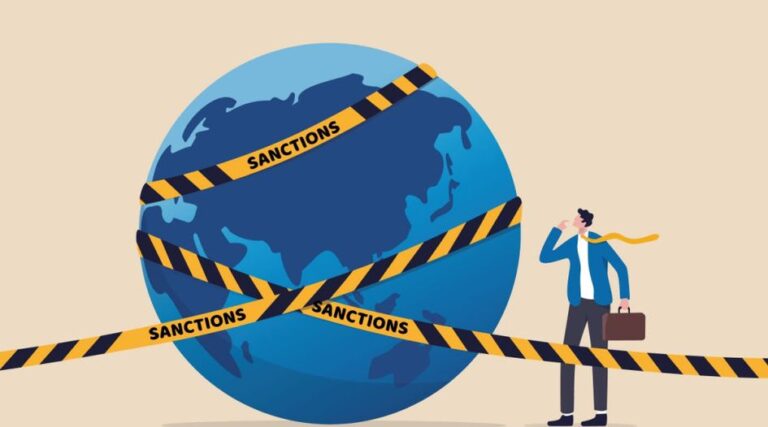
Legal Support on Sanctions Matters: Navigating Complex Compliance Rules
In today’s globalized economy, companies face a multitude of challenges when it comes to compliance with sanctions regulations. legal support on sanctions matters has become crucial for organizations striving to operate within the confines of the law while managing international relations. This article delves into the complexities of sanctions, the risks associated with non-compliance, and the vital role of legal counsel in crafting a sound compliance strategy.
Understanding Sanctions
Sanctions are restrictive measures imposed by countries or international bodies aimed at promoting compliance with international law and policy objectives. They can take various forms, including economic sanctions, trade restrictions, arms embargoes, and travel bans. Understanding these sanctions is critical for businesses engaged in international trade, as violations can lead to severe consequences.
The Importance of Compliance
Non-compliance with sanctions can result in hefty fines, legal actions, and reputational damage. In recent years, enforcement agencies have ramped up their efforts to impose penalties on organizations that fail to adhere to sanctions regulations. Businesses must be aware of the potential consequences of non-compliance, including the risk of being added to a watchlist or being subject to further restrictions.
Types of Sanctions
Sanctions can be broadly categorized into two types: unilateral and multilateral. Unilateral sanctions are imposed by a single country, while multilateral sanctions are adopted by multiple countries or international organizations. Businesses must navigate a complex landscape where different jurisdictions may impose varying sanctions on the same entities or individuals.

Key Sanctions Regulations
Several key regulations govern sanctions, including:
- Office of Foreign Assets Control (OFAC): In the United States, OFAC administers and enforces economic and trade sanctions against targeted foreign countries and regimes.
- European Union (EU) Sanctions: The EU imposes sanctions based on its common foreign and security policy, which can affect trade, investment, and other economic activities.
- United Nations (UN) Sanctions: The UN imposes sanctions as part of its enforcement of international law and to maintain or restore international peace and security.
Legal Support in Sanctions Compliance
To navigate the complex web of sanctions laws and regulations, organizations should seek legal support to ensure compliance. Legal counsel can help companies assess their exposure to sanctions, develop compliance policies, and implement training programs for staff. Here are some key areas where legal support is essential:
Risk Assessment
A thorough risk assessment is the first step in developing a robust sanctions compliance program. Legal experts can assist in identifying potential risks associated with specific transactions, customers, and markets. This proactive approach can help minimize exposure and prevent violations before they occur.
Policy Development
Legal counsel can aid in crafting tailored sanctions compliance policies that align with the organization’s operations and risk profile. These policies should clearly outline procedures for conducting due diligence, reporting potential violations, and responding to inquiries from regulatory bodies.
Training and Awareness
Implementing a compliance program is not enough if employees are unaware of the sanctions-related risks they may encounter. Legal support is vital in developing training programs that educate staff about relevant sanctions, the implications of non-compliance, and the procedures for reporting suspicious transactions.
Due Diligence
Legal professionals can help businesses conduct due diligence on their customers, suppliers, and business partners. This can include screening against sanctions lists, examining ownership structures, and assessing the legitimacy of counterparties. Performing thorough due diligence is crucial in mitigating risks and ensuring compliance.
Incident Response
Despite best efforts, incidents of non-compliance may occur. Legal support is essential in developing an incident response plan that outlines how to address potential violations, engage with regulatory authorities, and manage any fallout. Prompt and effective action can help mitigate potential penalties and reputational damage.
Emerging Trends in Sanctions
The landscape of sanctions is constantly evolving, with new regulations and enforcement practices emerging regularly. Companies must stay informed about any changes and adapt their compliance strategies accordingly. Legal experts can provide insights into these trends, helping organizations remain ahead of the curve.
Sanctions and Technology
Technological advancements are shaping the way businesses approach sanctions compliance. Various software solutions are available to assist with screening and monitoring against sanctions lists, automating due diligence processes, and enhancing reporting capabilities. Legal professionals should work alongside technology teams to ensure that these tools align with legal requirements.
Blockchain and Sanctions Compliance
Blockchain technology is also beginning to intersect with sanctions compliance. As businesses explore the use of blockchain for supply chain transparency, legal support is essential in navigating the implications of sanctions throughout these new systems.
Conclusion
In an increasingly regulated global environment, legal support in sanctions matters is no longer optional; it is a necessity. Organizations that prioritize compliance and seek expert legal guidance are better positioned to navigate the complexities of sanctions regulations. By investing in legal support, companies can safeguard their operations, protect their reputations, and ensure sustainable growth in a challenging landscape.
