
How to Effectively Check a Proxy: A Comprehensive Guide
In today’s digital age, the use of proxy servers has become increasingly common among internet users aiming for privacy, security, and anonymity online. However, not all proxies are created equal, and ensuring that your proxy is clean, secure, and functional is paramount. In this article, we will delve into various methods and tools you can use to check a proxy, ensuring it meets your needs while protecting your online identity.
What is a Proxy?
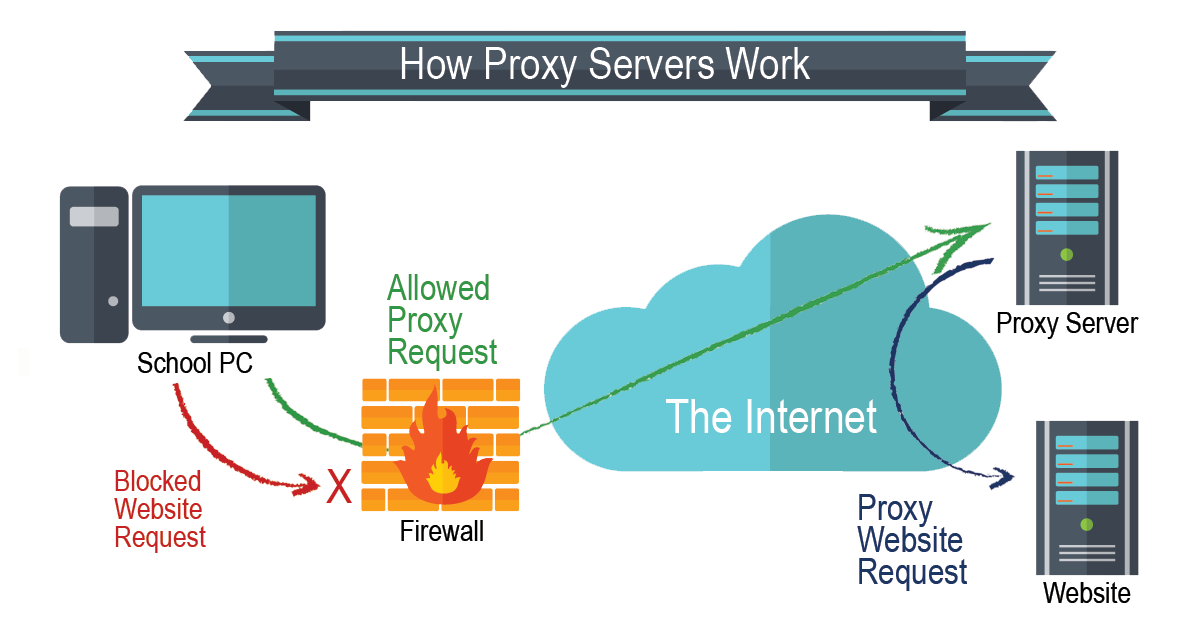
A proxy server acts as an intermediary between a user and the internet. When you use a proxy, your web requests go to the proxy first, which then forwards your request to the destination server. The response from the server goes back to the proxy and then to you. This process can hide your IP address, allowing for greater anonymity and security while browsing the web.
Why Check a Proxy?
Checking a proxy is essential for several reasons:
- Security: To avoid using a proxy that could compromise your personal data.
- Performance: To ensure that the proxy is fast and reliable.
- Access Control: To verify that the proxy is not blacklisted or blocked by certain websites.
- Privacy: To confirm that your online activities remain private and anonymous.
Methods to Check a Proxy
1. IP Check
The first step in checking a proxy is to verify that your IP address is masked. You can do this by using online services such as How to check a proxy for cleanliness before launching an ad https://crazyfb.shop/en/page/kak-proverit-proksi-na-chistotu-pered-zapuskom-reklamy or IPinfo. Here’s how to do it:
- Connect to your proxy server.
- Visit an IP checking service.
- Compare the displayed IP address with your actual IP address.
2. Proxy Checker Tools
There are numerous tools available online that can help you check the functionality and anonymity level of your proxy. Some popular tools include:
- Proxy Checker: A simple tool that tests multiple proxies at once for their anonymity and responsiveness.
- ProxyBroker: An open-source software that allows users to find and check proxies for their usability.
- curl: A command-line tool you can use to send requests through your proxy and check the response.
3. Test for DNS Leaks
Using a proxy can sometimes lead to DNS leaks, where your DNS queries reveal your actual IP address. To check for DNS leaks, use a service like DNSLeakTest:
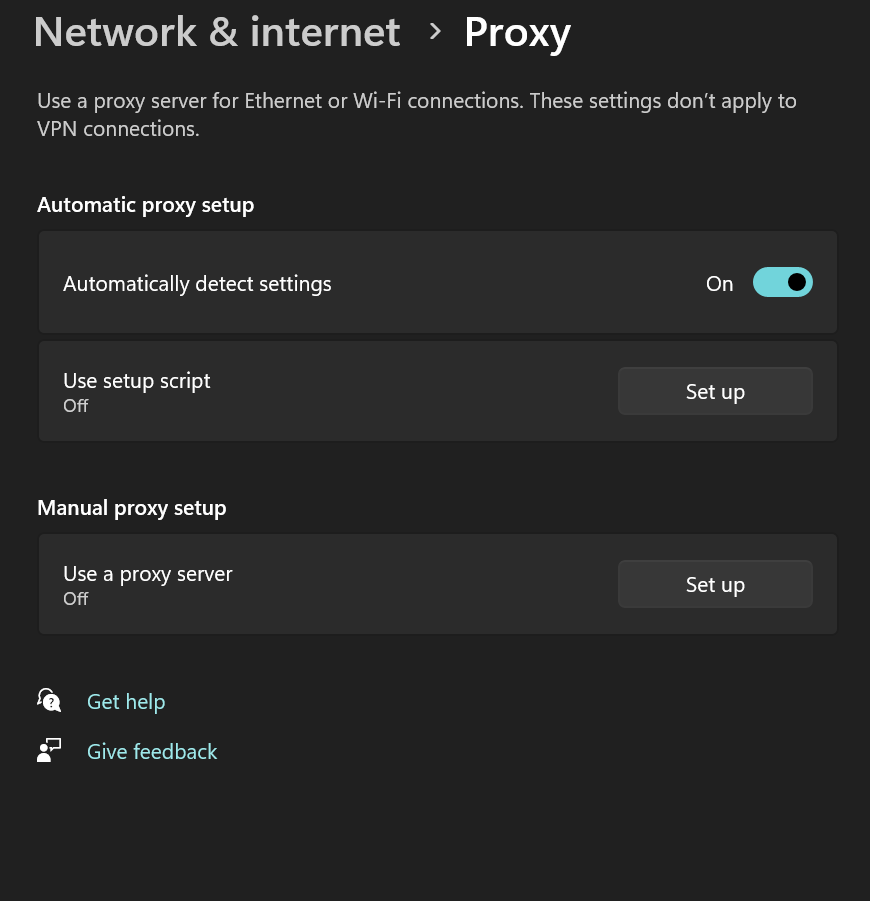
- Connect to your proxy.
- Go to the DNS leak test website.
- Start the test and see if your real IP address shows up.
4. Speed Test
Your proxy’s speed is crucial for performance. You can use services like Fast.com or Speedtest to determine the proxy’s speed:
- Connect through the proxy.
- Run the speed test.
- Compare the results with your regular connection speed.
5. Website Access Test
Some websites might block certain proxies. It’s important to test your proxy’s ability to access various sites:
- Connect to your proxy.
- Try accessing several websites known for strict access policies.
- Note any sites that you cannot access.
Best Practices for Using Proxies
Checking your proxy is just one step in safe internet usage. Here are some best practices:
- Use reputable proxy services with good reviews.
- Avoid free proxies that may be unsafe and unreliable.
- Regularly check your proxies for leaks and performance drops.
- Change proxies regularly to maintain anonymity.
Conclusion
Checking a proxy is a crucial step in ensuring your online activities remain secure and anonymous. By following the methods outlined in this guide, you can ensure your proxy is functioning effectively, protecting your identity and data online. Always remain vigilant and regularly assess your proxy settings to maintain optimal security.
For a deeper dive into checking proxies and ensuring their integrity before using them for advertising or other purposes, visit this source.
